Understanding Jueteng: A Closer Look at the Underground Gambling Phenomenon
Jueteng has been a persistent issue in the Philippines, a form of illegal numbers game that has captivated the interest and participation of both high and low society. The topic of Jueteng is not just a mere discussion on gambling but a complex social issue with far-reaching economic and political implications.
What is Jueteng?
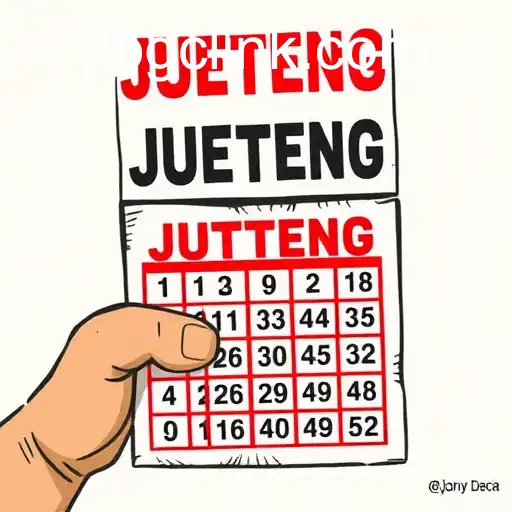
Jueteng originates from a Chinese numbers game, now ingrained deeply into the cultural fabric of the Philippines. It operates similarly to a lottery but without the legal sanctity or the government’s oversight. Participants place bets on numbers ranging from 1 to 37, selecting a pair they believe will be drawn. What makes Jueteng appealing to many is its simplicity and the instant gratification it offers in terms of quick payouts.
The Mechanics Behind Jueteng
Jueteng is usually organized by groups involved in gambling syndicates. These groups are often referred to as the "Jueteng lords" or "JLBGC" – Jueteng Lords Betting, Gaming and Control. They manage the collection of bets and facilitate the draw. From small neighborhoods to large towns, these syndicates operate with precision, employing people at various levels to ensure the game runs smoothly.
A typical Jueteng operation involves the "kubradores," who are bet takers working at the grassroots level to collect bets daily from participants. The "cabo" supervises the kubradores and coordinates collections. At the top of the hierarchy are the JLBGC who control the finances and ensure that the winners receive their payouts.
The Economic Impact of Jueteng
Jueteng thrives mainly because it offers a form of economic relief to its patrons, often coming from the low-income demographic. The possibility of winning a substantial amount appeals to those who find state-sponsored lotteries out of reach or too official. Despite its illegality, Jueteng provides livelihoods for thousands who work within its network, from bet collectors to payout handlers.
This gambling phenomenon often fills the gaps left by inadequate government services, presenting itself as a parallel economy. In some rural areas, Jueteng might account for a significant portion of local economic activities, providing cash flow to households and fostering a kind of informal financial ecosystem.
The Political Dynamics of Jueteng
The entrenchment of Jueteng in Filipino society is not solely due to its economic lure, but also its political entanglements. Jueteng lords often forge alliances with local officials to protect their operations. The funds generated from Jueteng are believed to be a source of campaign financing for local and national politicians. This complex web ensures the game's persistence despite numerous efforts to eradicate it.
Investigative reports often reveal the depth of Jueteng's reach into political circles, with officials allegedly taking bribes in exchange for ignoring or even facilitating Jueteng operations. The JLBGC, therefore, find themselves in a position of power, able to sway political outcomes and influence governance through financial leverage.
The Challenges of Eradicating Jueteng
Despite repeated crackdowns, Jueteng remains resilient. The game has managed to survive through an ability to adapt and reinvent itself in response to law enforcement actions. Efforts to legalize Jueteng have been proposed as a way to bring it under government control, thereby reducing corruption and ensuring regulation.
The challenge in eliminating or regulating Jueteng lies in dismantling the social networks it bolsters. Any action against Jueteng is met with resistance not just from those who financially benefit, but also from communities reliant on its economic contributions. An alternative to Jueteng that offers similar economic benefits without the legal and ethical concerns is yet to emerge convincingly.
Reflecting on the Future of Jueteng
The future of Jueteng remains uncertain, highly dependent on political will and economic policies that address root causes such as poverty and insufficient public welfare systems. As an underground operation, Jueteng sheds light on larger issues within Filipino society, necessitating multifaceted solutions that go beyond mere prohibition.
Understanding the social and economic dimensions of Jueteng, embodied by the likes of JLBGC, provides a starting point for any meaningful discourse on addressing its continuance. Ultimately, while Jueteng is an illicit activity, it is also an indicator of deeper societal needs that require comprehensive attention.